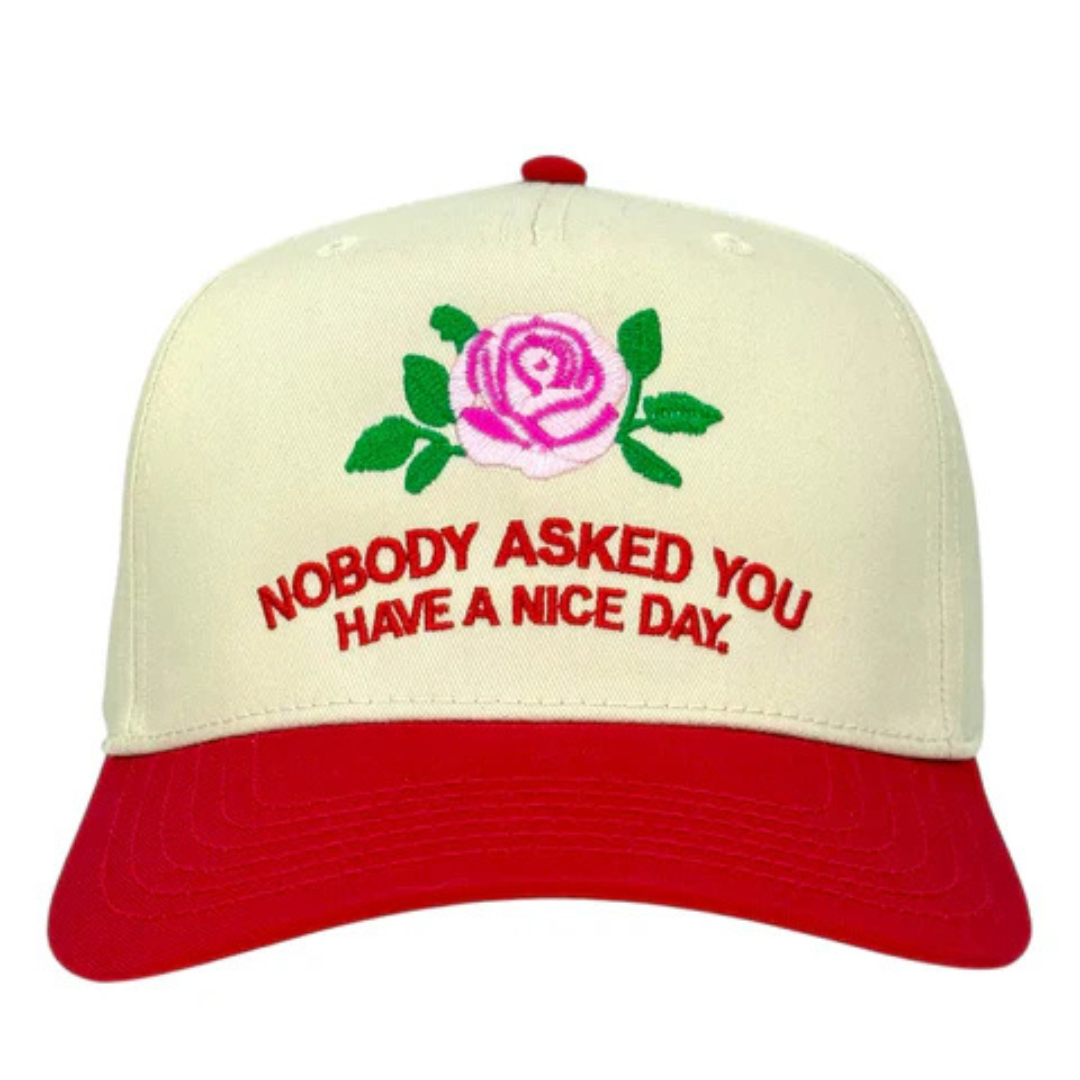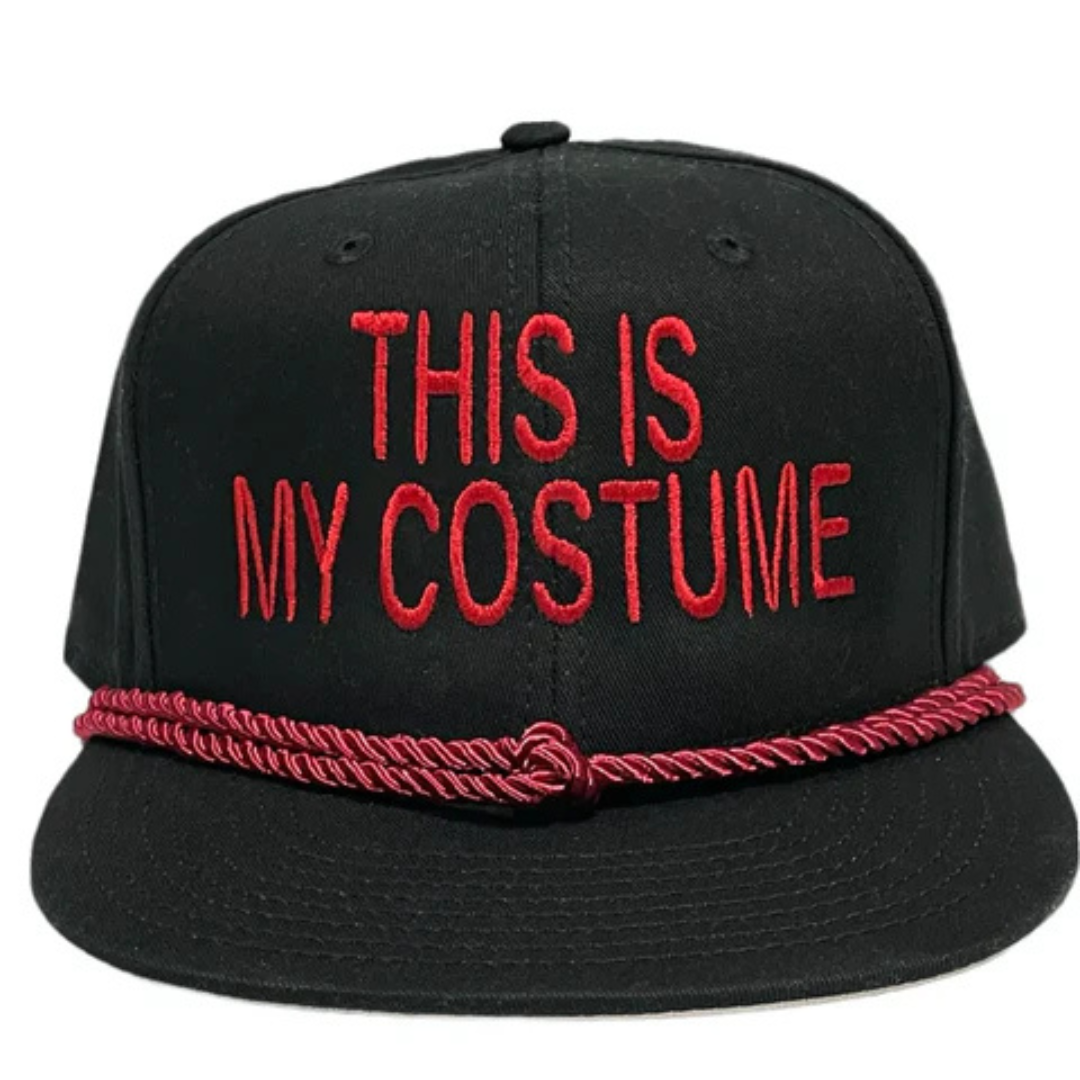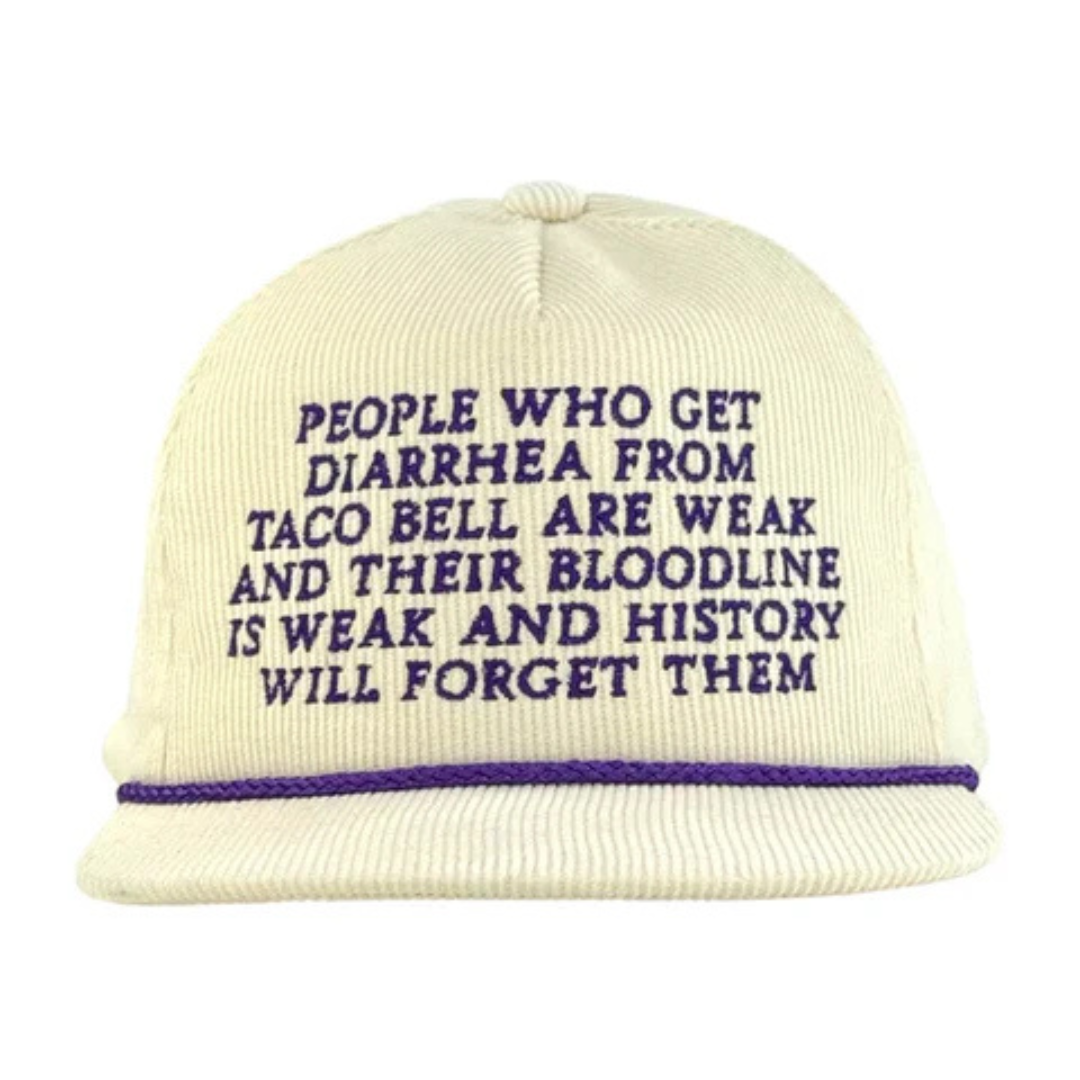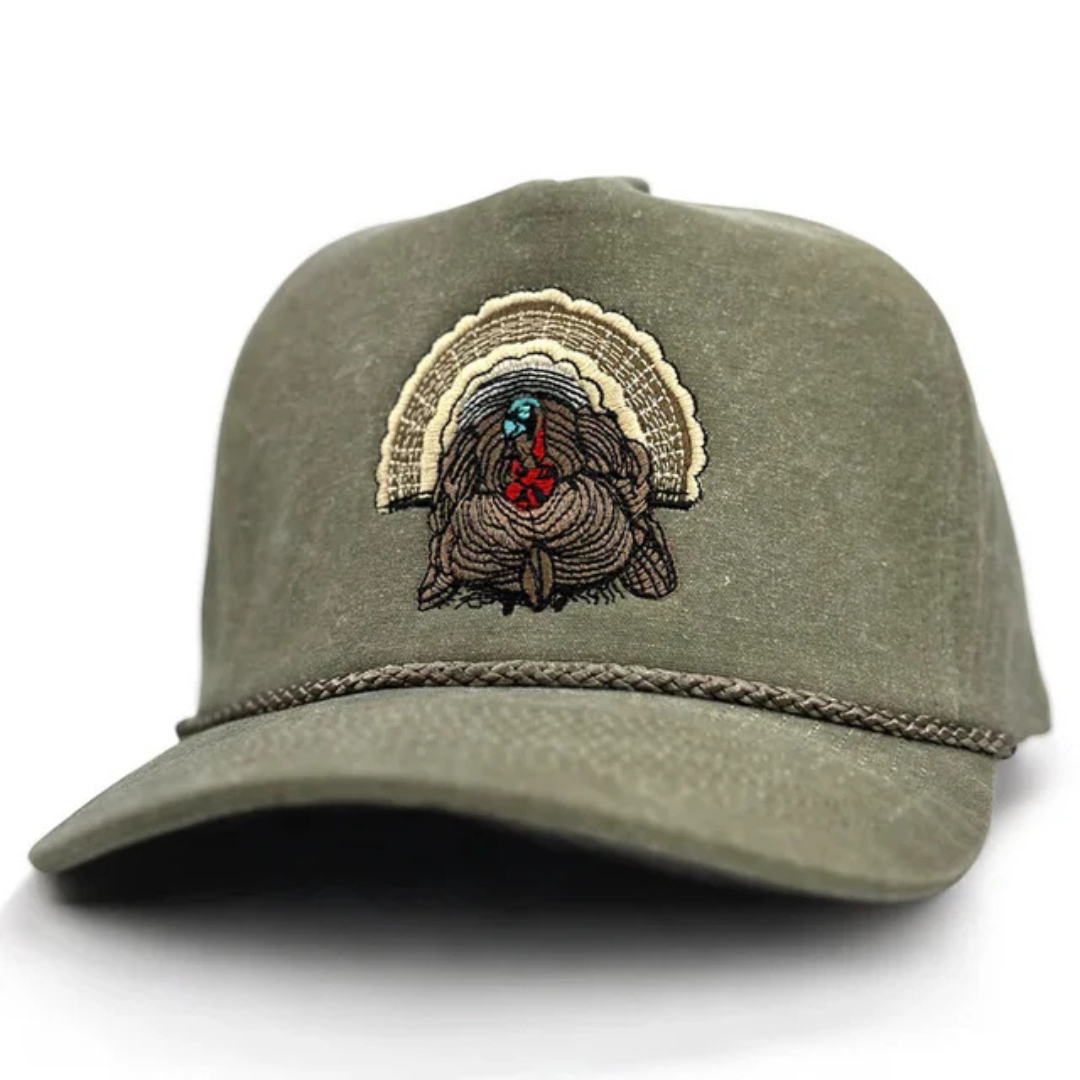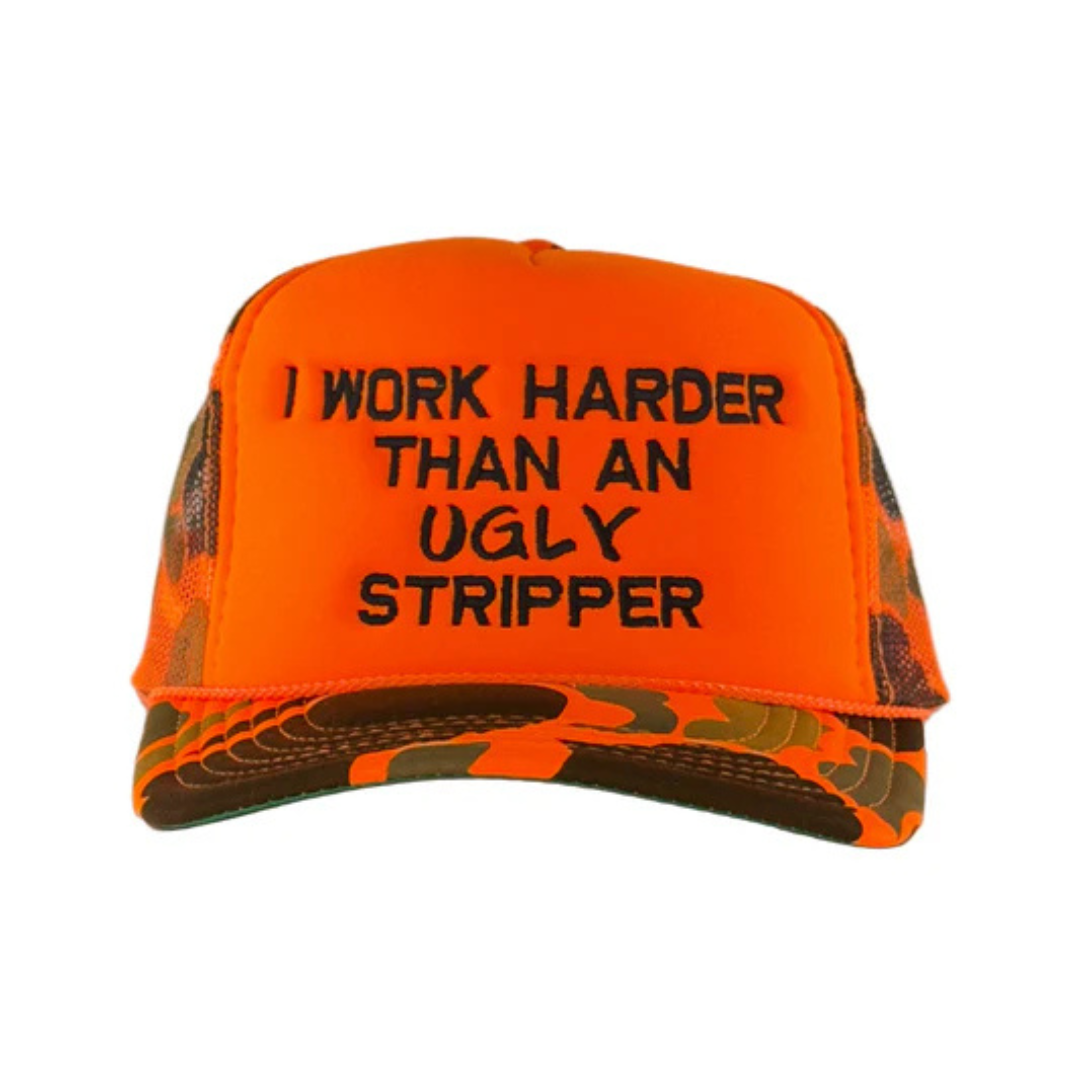

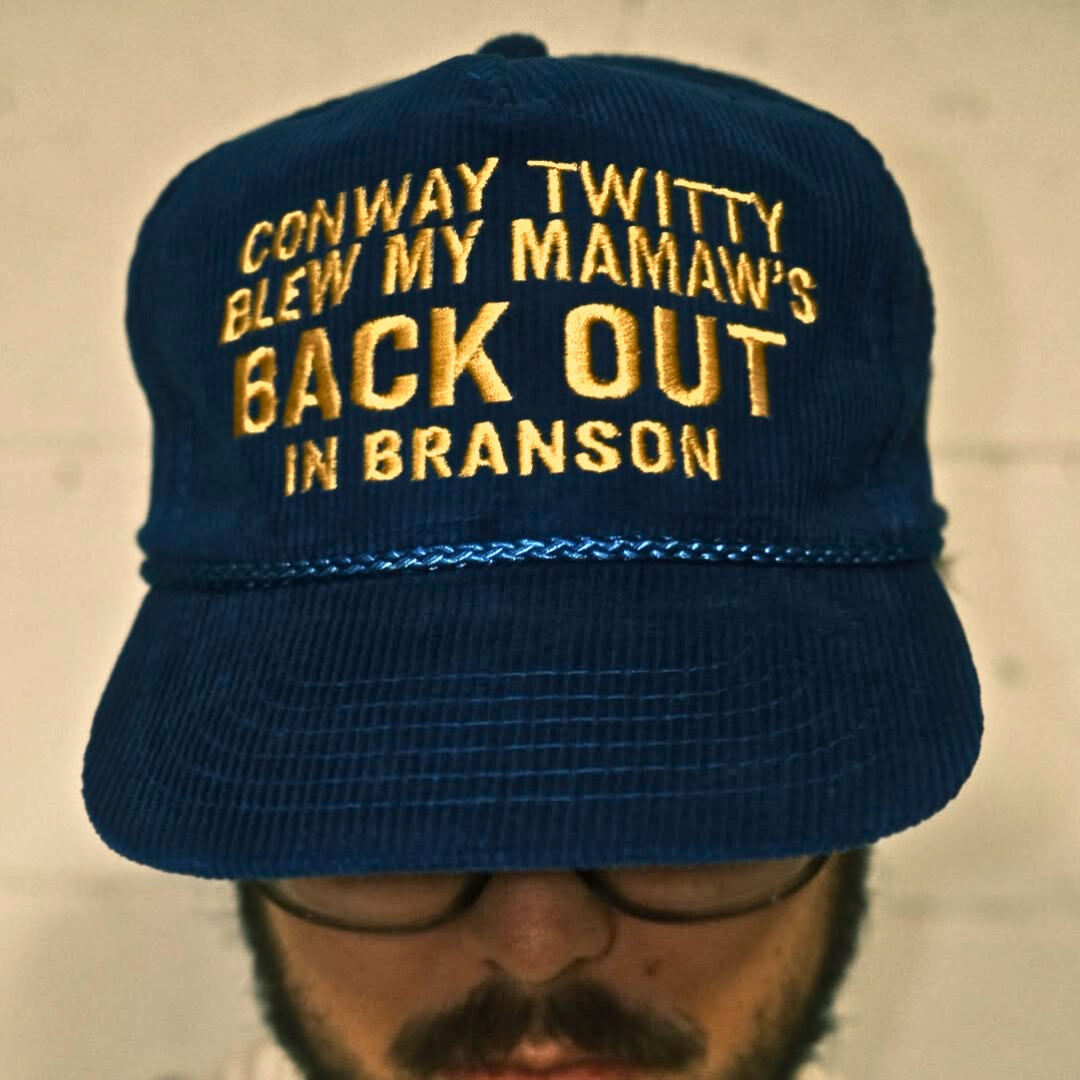
I first encountered the phrase emblazoned on a hat like a cryptic message from an alternate universe where country music is a contact sport. “Conway Twitty Blew My Mamaw’s Back Out in Branson” isn’t a sentence so much as a lifestyle choice. It reads less like gossip and more like a folk myth, the kind passed down in smoky VFW halls where truth fears to tread. You don’t understand it—you survive it, like a roller coaster designed by someone who only listens to AM radio and chaos.
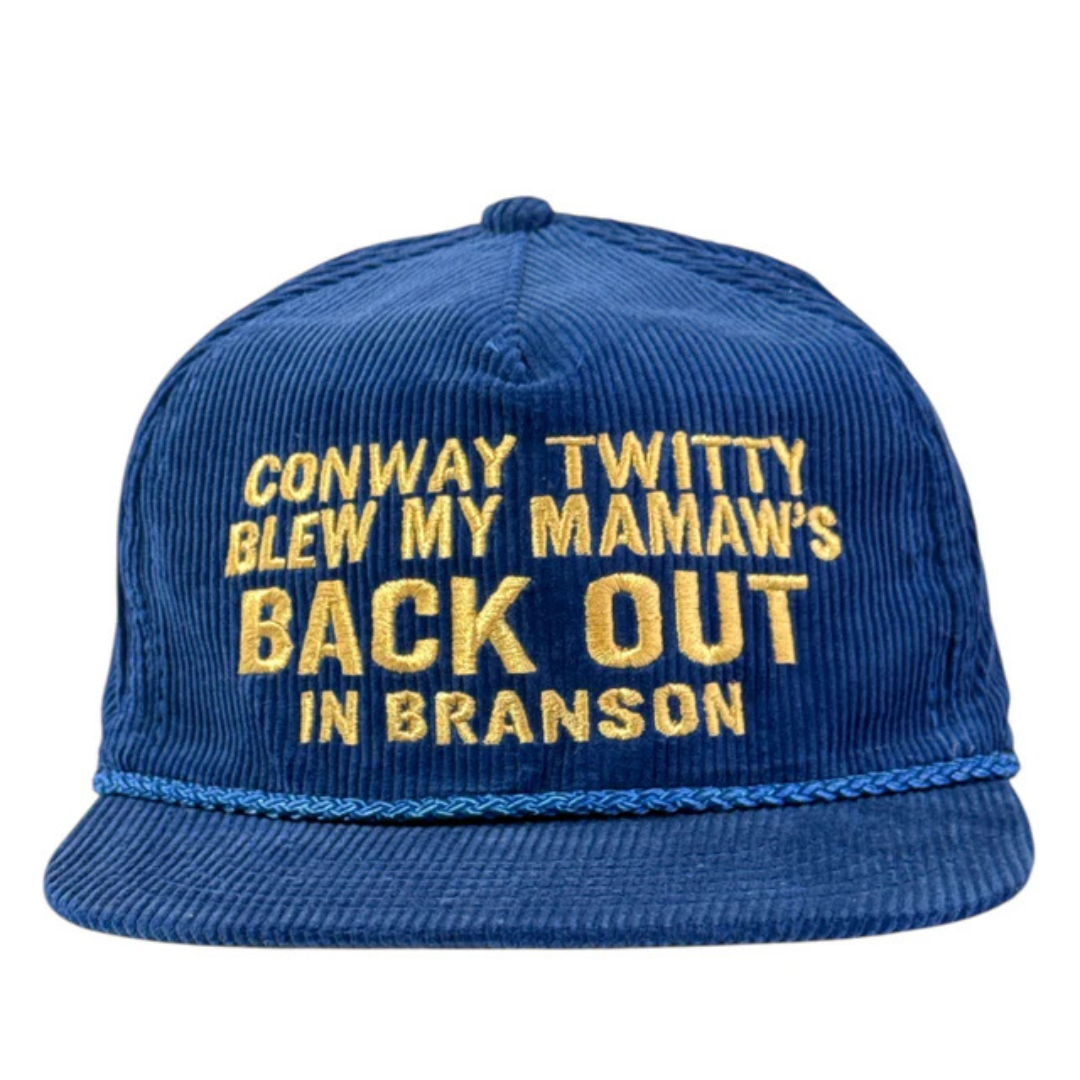
The beauty of the phrase is that it refuses to explain itself. Was it a concert? A spiritual experience? An aggressively enthusiastic encore involving a sequined jacket and the raw power of middle-American showmanship? Conway Twitty, rest his pompadoured soul, was known for a voice so smooth it could knock the lumbar support clean out of a Lazy-Boy. If anyone could metaphorically rearrange your family tree with a microphone and a key change, it was Conway.
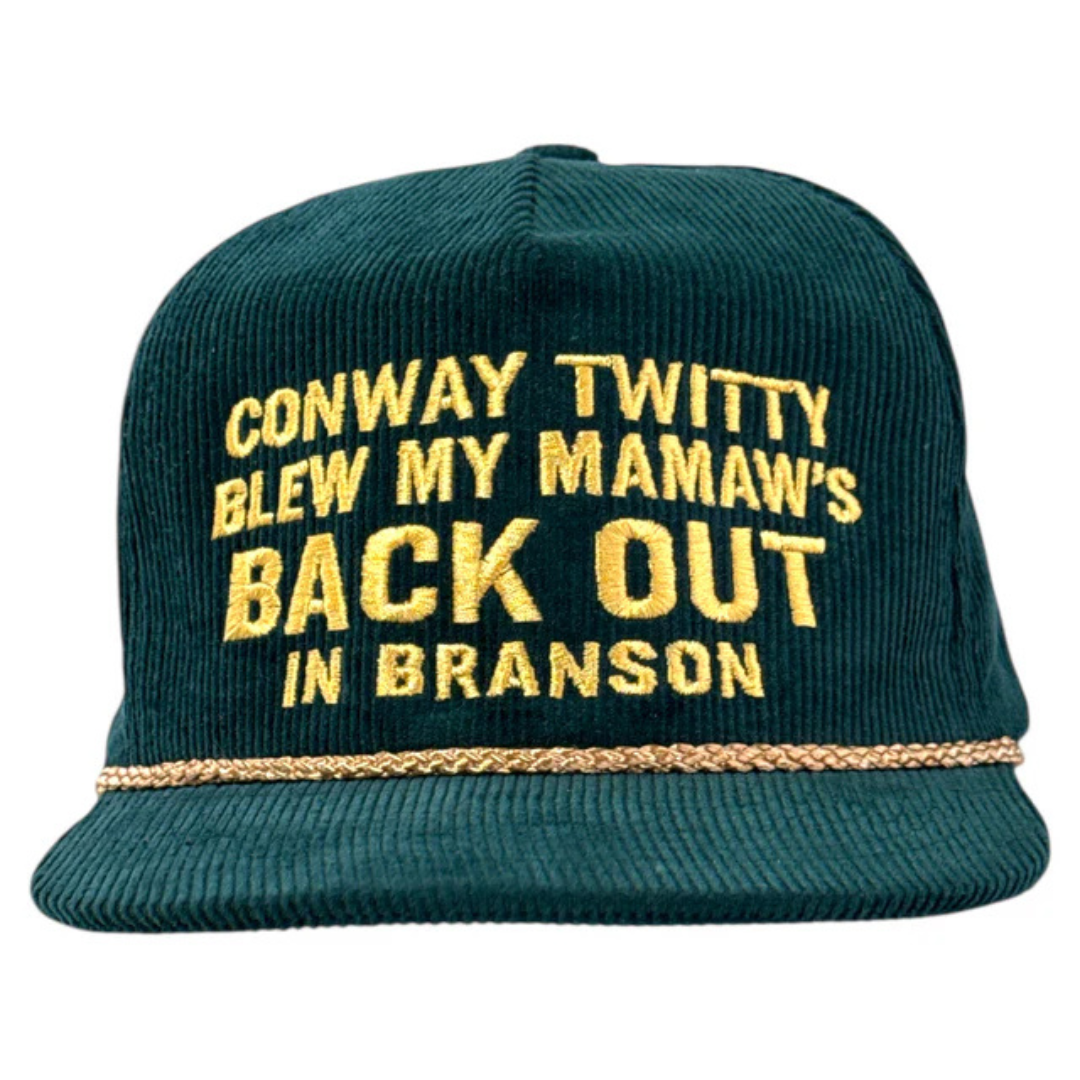
Mamaw, meanwhile, is less a person and more a concept. She represents resilience. She’s lived through wars, casseroles with unpronounceable ingredients, and at least one timeshare presentation. To suggest that Mamaw was present in Branson—America’s glittery beige capital—and emerged fundamentally altered by a country legend is not scandalous. It’s patriotic. Branson exists precisely so people like Mamaw can feel something again while surrounded by outlet malls and God-honoring fog machines.
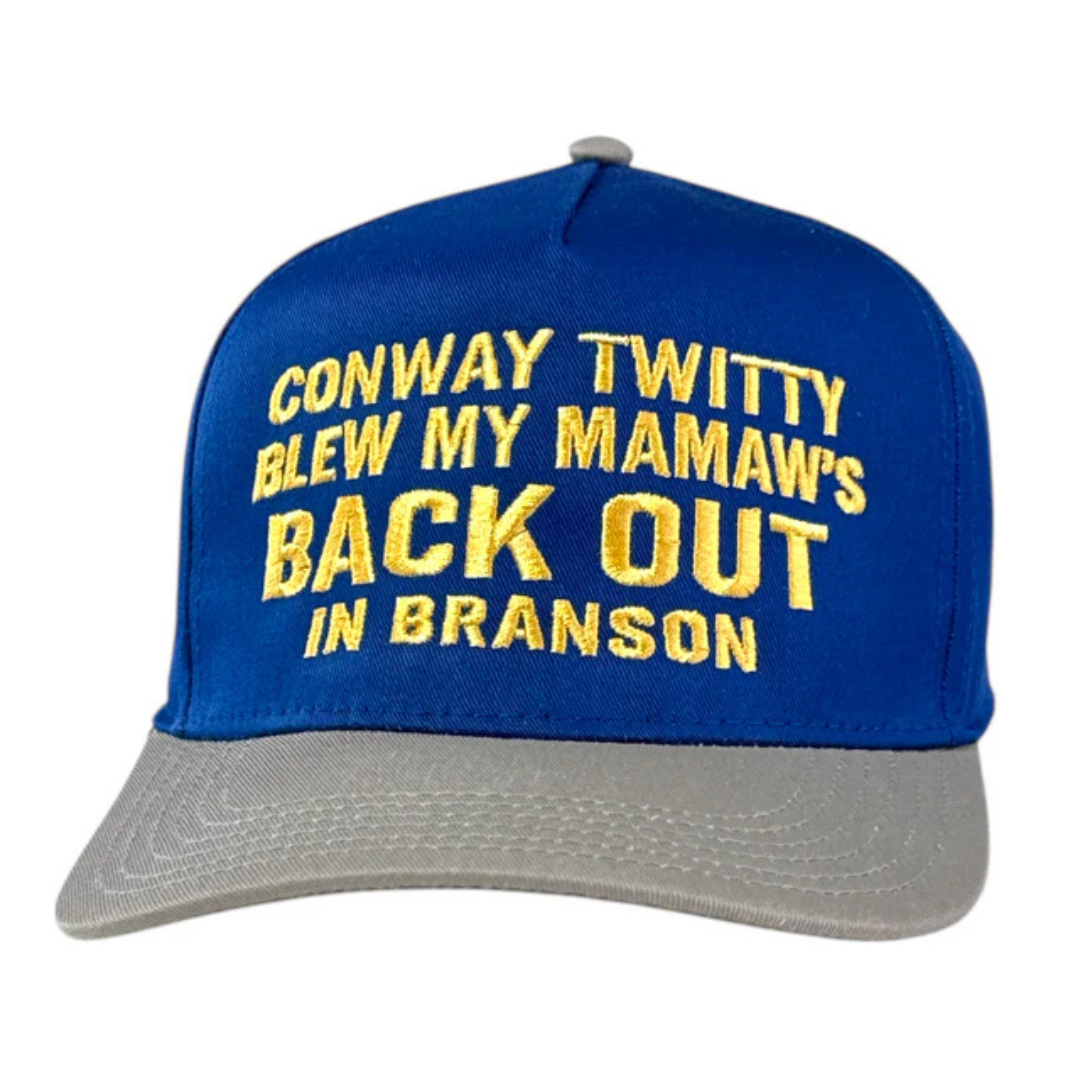
In the end, the hat isn’t dirty—it’s poetic. It’s a reminder that language is flexible, memories are unreliable, and country music has always thrived in the gap between what happened and what feels like it happened. Wear the hat proudly. Let people stare. If they ask questions, just tip the brim and say, “You had to be there.”